There is a kind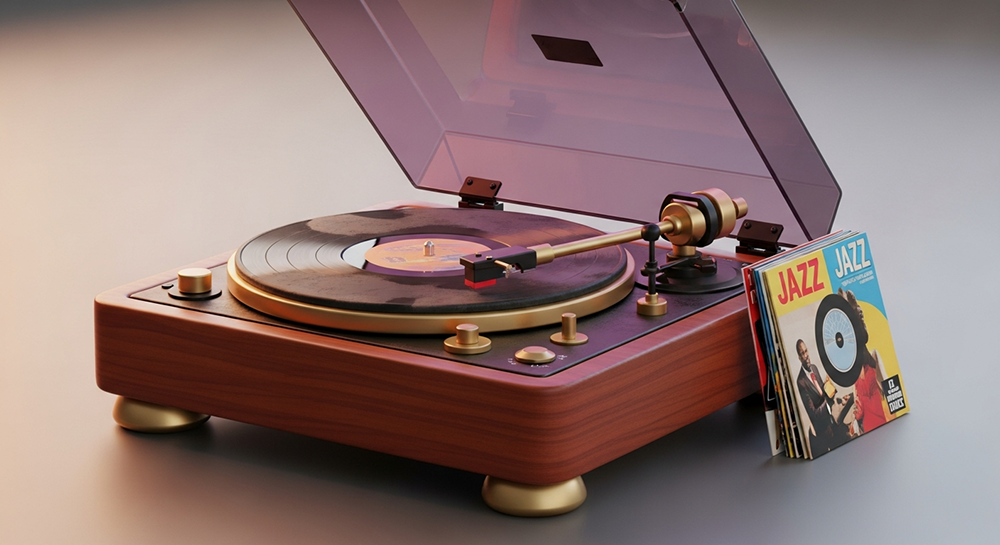 of reverence in lowering a needle onto vinyl — a pause, a breath, a moment of intention. Music, once upon a time, required presence. It asked you to sit down, to choose deliberately, to listen with your whole attention.
Today, the world carries more songs than any one person could hear in a lifetime. Music is immediate, fluid, algorithmic. And yet, despite the infinite availability, something essential has drifted out of reach: context — the cultural environment, the emotional landscape, the story.
At Echoes of Heritage, we believe that understanding how music evolved is the key to designing the next era of listening — one where technology restores meaning, and the past is not just remembered, but experienced.
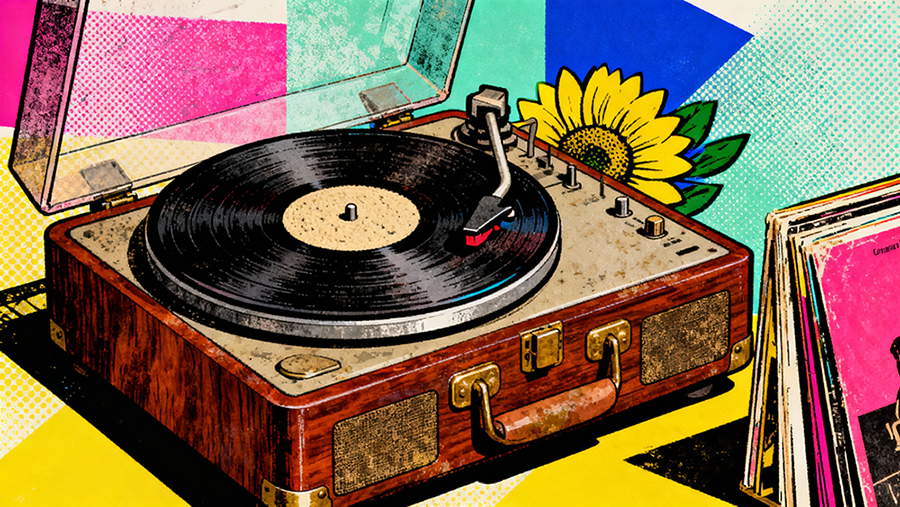
Vinyl was more than a format — it was a physical ceremony.
-
You touched the sleeve.
-
You studied the artwork.
-
You read the liner notes like scripture.
-
You listened from beginning to end.
In heritage terms, vinyl was the earliest democratized archive.
It captured not just sound, but:
-
studio air
-
artistic imperfections
-
the grain of human presence
It preserved cultural heritage in a way no previous era had managed.
Vinyl turned music into memory.
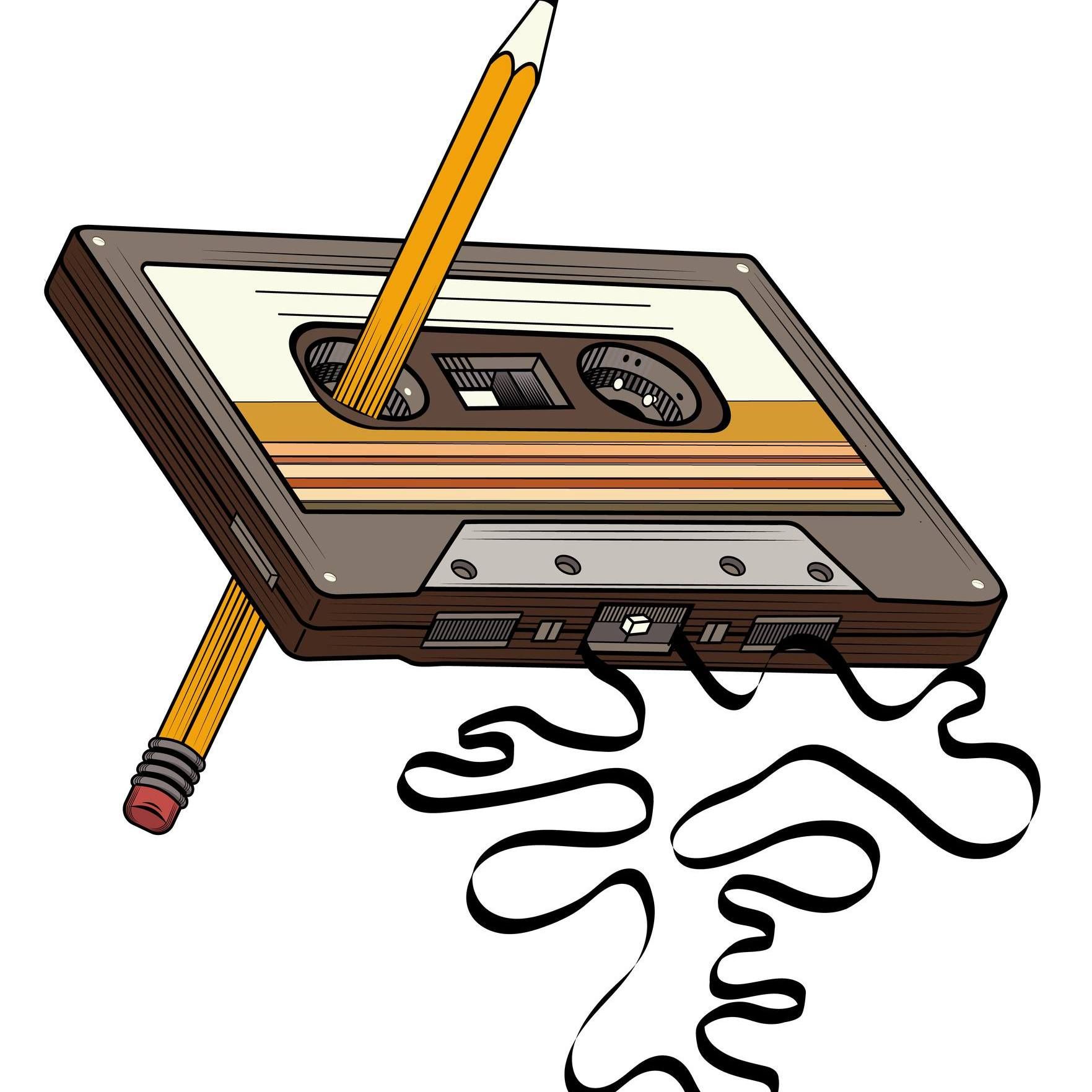
Cassette Culture: The Birth of Personal Curation
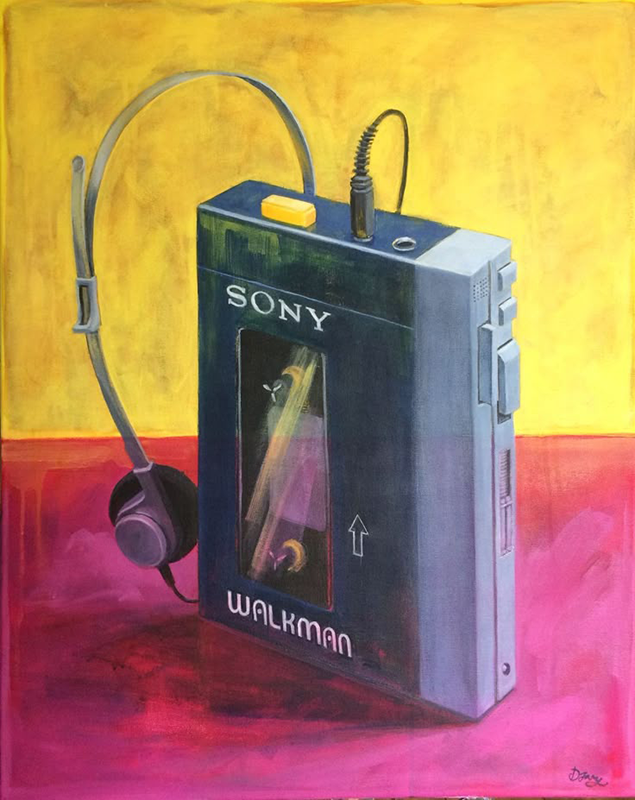 If vinyl was a library, the cassette tape was a travel diary.
For the first time, listeners became curators of their own sound heritage:
-
Mixtapes
-
Field recordings
-
Bootleg community concerts
-
Family messages
-
Folk music exchanged hand-to-hand
Cassettes democratised preservation.
A folk song recorded in a Ghanaian village could be carried to London in someone’s pocket. Lovers could express themselves through mixtapes — early forms of personal storytelling.
The cassette didn’t just move music.
It moved culture.
CDs, MP3s, and the Digital Acceleration
Then came the shiny, futuristic disc.
-
Crisp sound
-
Easy skipping
-
Personal mixes
-
Portable players
CDs felt revolutionary. 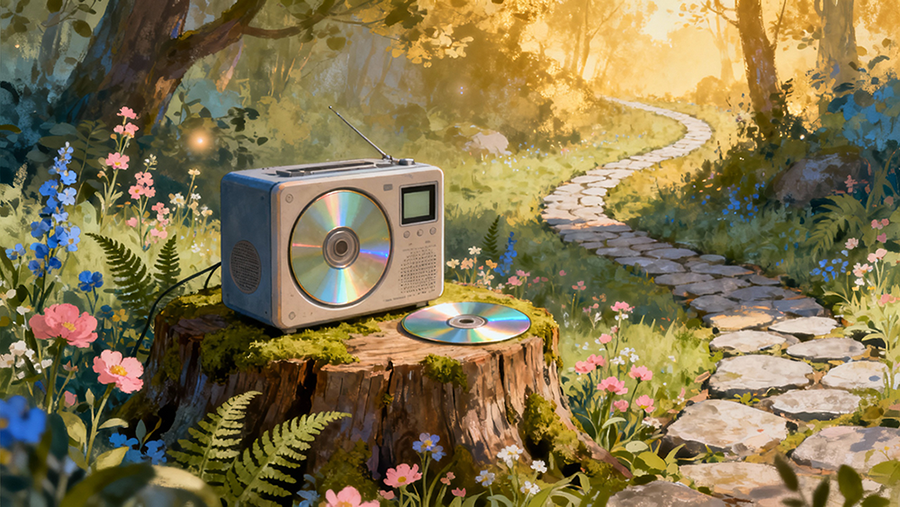
But they were only the beginning.
MP3s cracked music open.
Suddenly music could be compressed, pirated, shared, stored. The iPod reorganized your entire musical universe into your pocket.
Then, in what felt like the blink of an eye…
Music stopped being something you owned.
It became an endless river you dipped into whenever you wanted.
Streaming made music:
-
borderless
-
immediate
-
hyper-personal
-
algorithm-driven
-
frictionless

But in all that convenience, we lost something:
the sensory rituals that made music memorable.
And that is exactly where heritage returns.
Why Nostalgia Is Returning Now
Today, artists and designers are reaching backward to move forward.
Why?
Because nostalgia is emotional glue.
People crave:
-
imperfection
-
texture
-
warmth
-
ritual
-
memory
In a filtered, polished digital world, the hum of a cassette becomes romantic. The crackle becomes comforting. The analog mistake becomes human.
And when heritage — African, Caribbean, Asian, Indigenous — enters that space, something extraordinary happens:
music becomes cultural time travel.
The Digital Break: Access Without Atmosphere
The arrival of digital audio redefined listening.
Suddenly:
-
music had no weight
-
no edges
-
no surfaces
-
no rituals
Streaming made music accessible — but also invisible.
We gained speed and convenience, but lost:
-
the image of the instrument
-
the room where the sound was born
-
the gesture of the musician
-
the lineage behind the melody
Streaming broke the link between heritage and context, reducing centuries of tradition into anonymous audio files.
Echoes of Heritage exists to reunite what was separated.
The New Horizon: Immersive Cultural Listening
Today, we stand at the threshold of the next evolution of sound.
Not higher fidelity.
Not faster downloads.
But presence.
At Echoes of Heritage, we are building a world where listening becomes spatial — where music is not only heard but entered.
Imagine this:
-
You don’t just stream an ancient lute performance —
you stand in the candlelit chamber where it was first played. -
You don’t just hear the rhythms of ancestral drums —
you witness the dancers, the earth beneath them, the firelight on their skin. -
You don’t just play a rainforest flute composition —
you find yourself in the forest, surrounded by the environment that shaped the sound.
This is more than audio.
This is ancestral immersion.
We call our approach the Immersive Heritage Resonance Method (IHRM).
Step 1 — Cultural Archiving
We gather endangered, historical, or culturally significant sounds:
-
analog recordings
-
traditional instruments
-
natural environments
-
community performances
Step 2 — Spatial Reconstruction
We map these sounds into 3D environments using:
-
VR
-
AR
-
holography
-
ambisonic sound mapping
Step 3 — Embodied Presence
We recreate the cultural setting visually and sonically:
-
architecture
-
clothing
-
gestures
-
atmospheric details
Step 4 — Interactive Memory
Users shape their own connection to the heritage:
-
choose paths
-
interact with instruments
-
activate ancestral stories
-
explore different timelines
The result:
A time-bending listening experience where heritage becomes lived, not just learned.
Music has moved from needle to cassette, cassette to CD, CD to cloud — and now, from cloud to immersive world.
What was once lost in the transition to digital — the context, the ritual, the humanity — can now be restored, amplified, and re-experienced.
Echoes of Heritage is not building the future of technology.
We are building the future of memory.
A future where sound is not just audio,
but a portal.